News Story
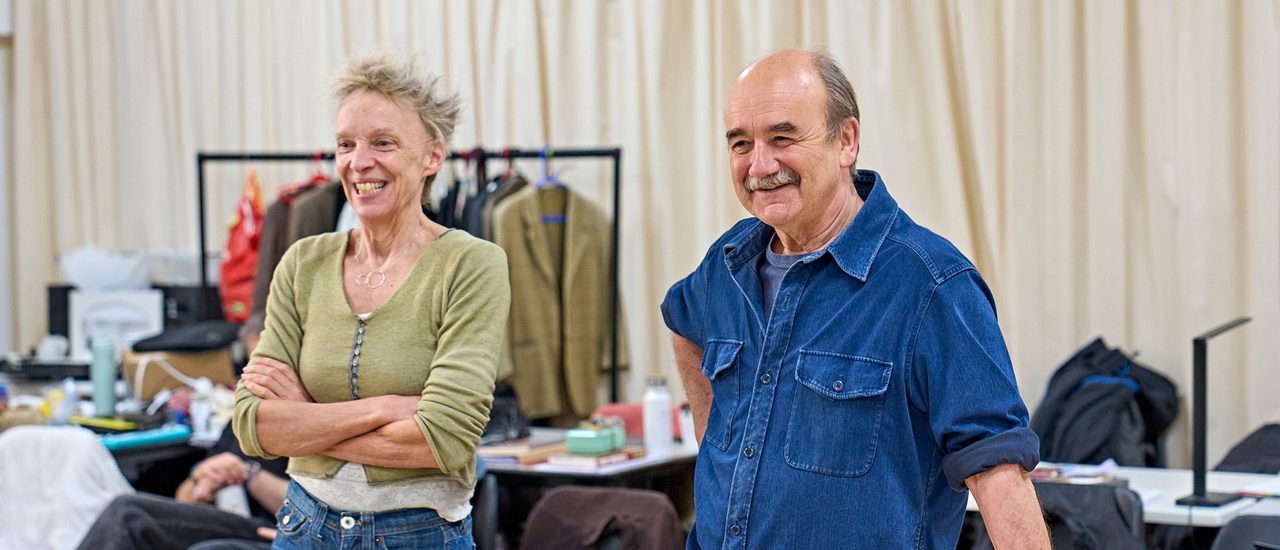
Harry Houdini and Sir Arthur Conan Doyle might sound to some like an unlikely pairing. But David Haig's new play, Magic is based on the fascinating true story of the wonderful and intense friendship between these two men. We asked David (who also plays the role of Sir Arthur Conan Doyle in this world premiere production) to share with us what is really at the heart of this play, and why the Festival Theatre is the ideal place to stage it.
A couple of years ago, looking for a subject for my next play, I googled: “Interesting and unusual relationships in British history”. I did not expect to find Sir Arthur Conan Doyle (writer of the Sherlock Holmes stories) and Harry Houdini (greatest illusionist and escapologist of all time) at the top of the list! But there they were. I was immediately hooked - could this be a play about an unlikely, but complex and intense friendship involving magic, illusions, seances, mediums and escapology? How could I resist? I started writing!
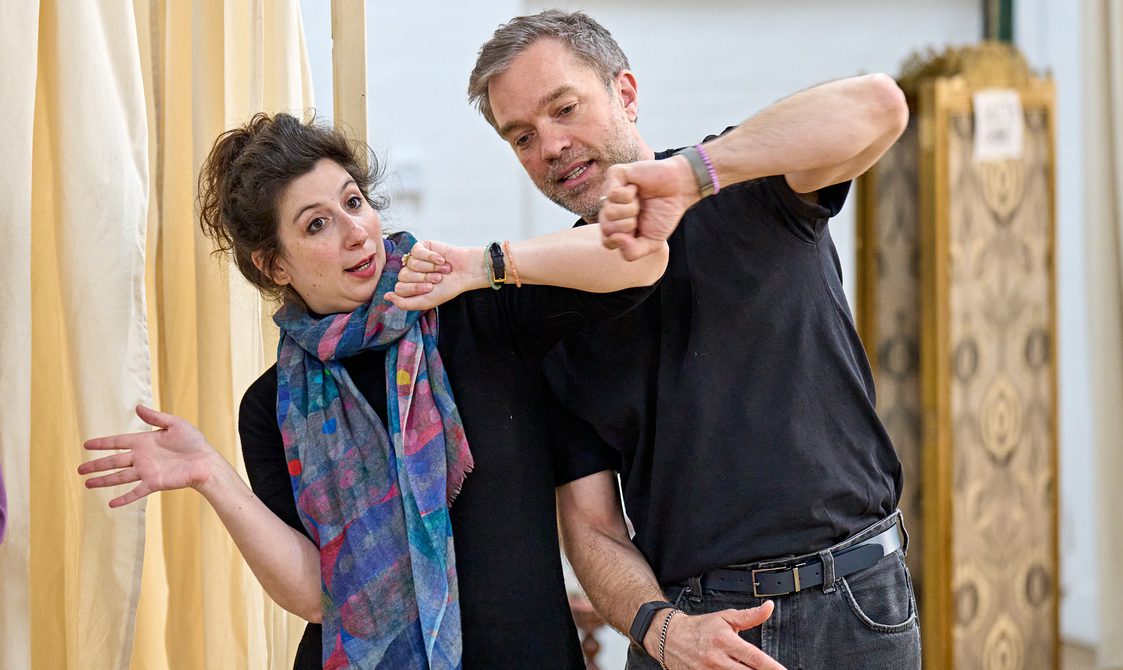
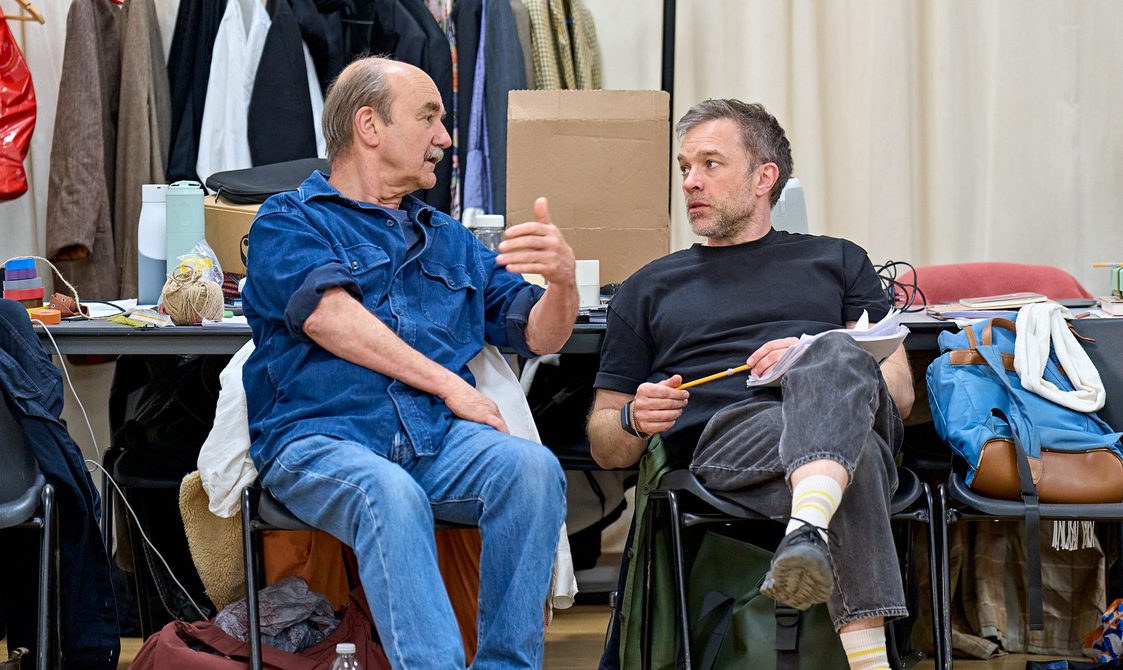

When Conan Doyle and Houdini first met, it was as if two long lost brothers had found each other. Their chemistry was instant and yet superficially the two men were so dissimilar. Houdini was a Jewish, Hungarian immigrant living in New York and Conan Doyle was an upper middle class Anglo-Scot. They were also two of the most famous men on the planet. They became each other’s greatest admirers.
BUT and it’s a big but, there was a central conflict which gradually and ultimately tore them apart. Soon after they met Conan Doyle abandoned writing to become the global spokesman for Spiritualism. He had lost many relatives, including his son, in the First World War, and he believed passionately in contacting the spirits of the dead through seances and mediums. Meanwhile Houdini had been to literally hundreds of seances hoping to contact the spirit of his dead mother. But because he was a magician and illusionist, he inevitably saw through the tricks the mediums used. He developed a visceral loathing of the spiritualists, believing that they were abusing the grieving.
So as Doyle’s passionate belief in Spiritualism grew, so too did Houdini’s hatred of this new faith. Their relationship failed to withstand the pressure and the friendship blew up, very publicly, because they were such celebrities. So it’s a play about belief, faith, deception, friendship, and of course …. Magic. But whose magic? The magic of the illusionist or the magic of the believer?

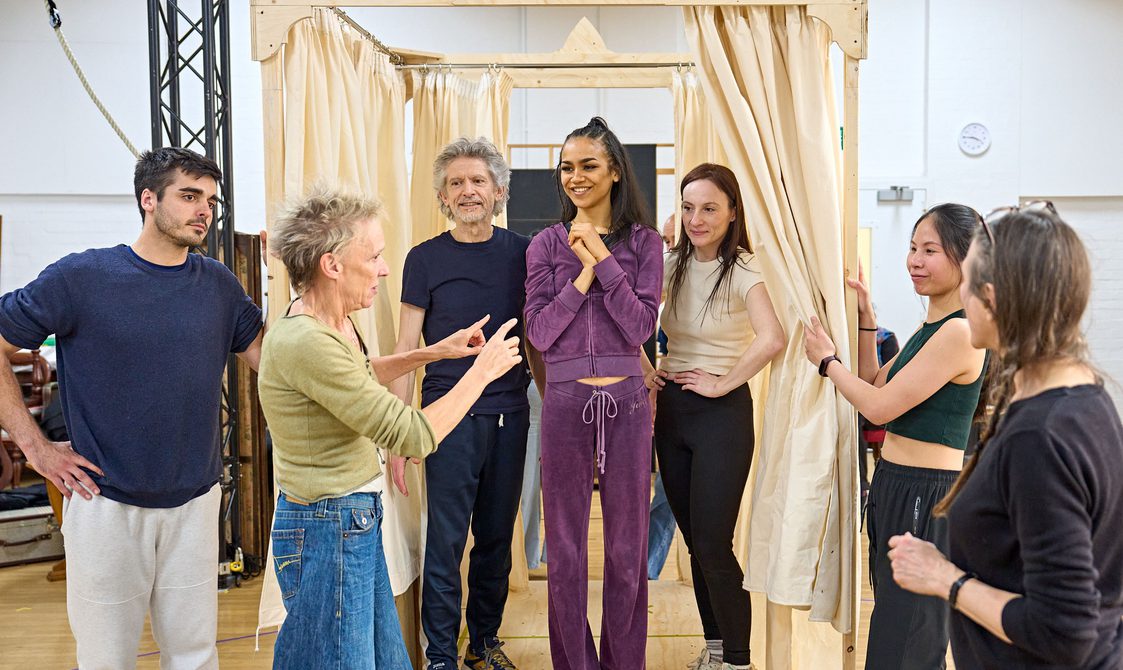
I sent the play to Justin Audibert, Artistic Director of CFT, and he came back very quickly, saying: “let’s do the play in the main house, the Festival Theatre.” I was absolutely thrilled. I’ve always loved both the Chichester theatres, I’ve had wonderful experiences there in Someone Who’ll Watch Over Me, Pressure, The Madness of George III, and Yes Prime Minister. But what excited me about doing Magic at the Festival Theatre is that the play has the scale of a musical, but also, hopefully, the emotional intensity of a play one would normally associate with the Minerva. Added to which, the Festival Theatre will allow us the space to try some of Houdini’s greatest escapes and illusions.
Twice before, I’ve performed in my own plays (My Boy Jack and Pressure), and you might assume it’s an immodest and self aggrandising process! But that’s not the reason I love doing it. For me, it’s a way of continuing to invest in the story at a point when most writers have to surrender their involvement. When Magic opens I’ll be able to continue to “live” the play with a terrific group of actors.
If this has given you an appetite for the play, please come and see it. I’m looking forward to coming back to Chichester so much.
David Haig
Magic has a limited run from 24 April to 16 May, so book your tickets before they disappear.